
The AI Advantage in Talent Acquisition
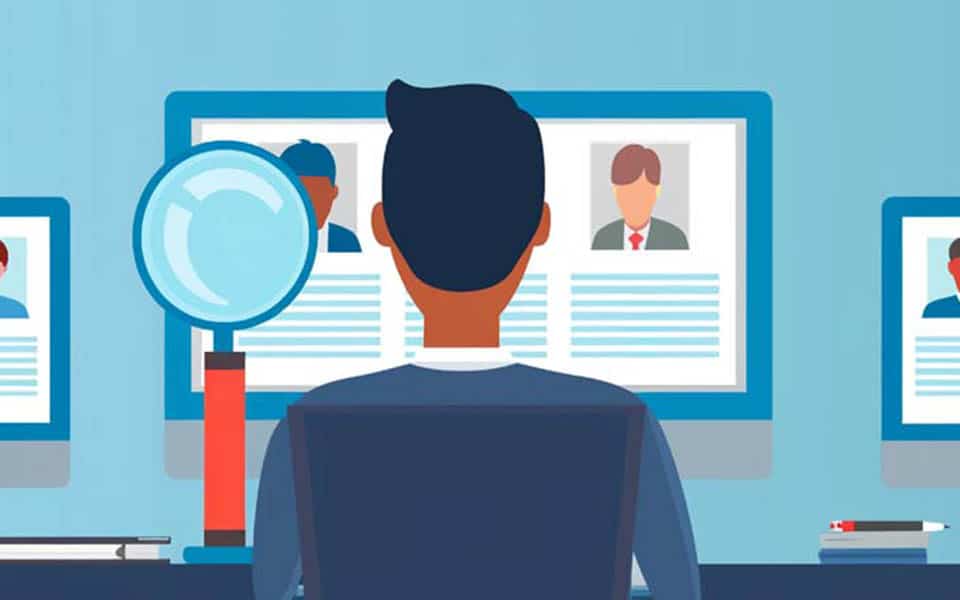
Recruiting the right candidate can be like finding a needle in a haystack. AI is changing this. One primary way HR professionals use AI is to write job descriptions and customize job postings, but that’s just the beginning.How AI is Revolutionizing Recruitment
- Resume Screening & Shortlisting: Quickly scan through vast numbers of resumes, identifying those that best match your job criteria.
- Interview Scheduling: Coordinate candidates’ and interviewers’ availabilities.
- Candidate Pre-assessment: Administer and evaluate pre-assessment tests to gauge candidates’ skills and aptitudes.
- Predictive Analytics: Predict candidate success and long-term fit within the company, aiding better hiring decisions.
AI-powered Employee Training & Development
AI doesn’t just stop at hiring; it extends into employee training and development. By analyzing performance data, AI systems can identify areas where employees need improvement and suggest personalized training programs. Moreover, AI can predict future skill requirements based on industry trends, ensuring the workforce remains competent and agile. It also monitors employee training progression, identifying areas of strength and where support is needed.Ethical Considerations
Integrating AI in HR practices presents ethical challenges, such as bias, privacy, and transparency. AI algorithms can perpetuate biases if not properly checked, and handling large amounts of sensitive data raises privacy concerns. HR professionals need to address these issues to leverage AI responsibly and create a fair, trustworthy workplace.Best Practices for Ethical AI Use in HR
- Bias Auditing & Mitigation: Regularly audit AI systems for potential biases by analyzing the data sets used and the outputs generated.
- Data Privacy & Security: Implement robust data protection measures to safeguard sensitive employee information.
- Regular Training & Awareness: Provide ongoing training about AI ethics, biases and best practices.
- Feedback Mechanisms: Create channels for employees to provide feedback on AI-driven processes and experiences.
Steps to Get Started With AI in HR
- Assess current HR processes. Evaluate existing HR workflows and identify areas where AI can add value.
- Establish clear objectives. Whether you’re improving recruitment, enhancing training programs or optimizing analytics, clear objectives should guide the selection and deployment of AI solutions.
- Invest in the right technology. Research and select AI tools that will help you achieve the goals you’ve identified. Consider scalability and ease of integration with existing systems.
- Train HR staff. Provide comprehensive training on how to use AI tools effectively and maximize the benefits.
- Monitor and evaluate. Continuously monitor AI systems’ performance, evaluate their impact on HR processes and adjust as necessary.
- Gather feedback. Regularly seek feedback on staff’s experiences with AI tools and obtain suggestions on areas for improvement.
- Establish a governance framework. This will help to oversee the ethical use of AI in HR.